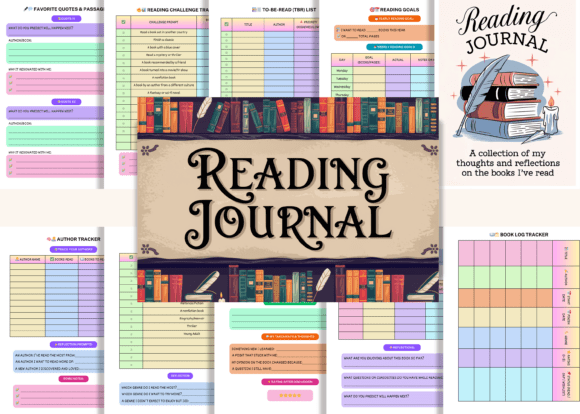
Reading Journal – KDP Interiors: A Thoughtful Tool for Lifelong Readers
Reading isn’t just about turning pages—it’s about connection, growth, and memory. That’s why so many adults aged 20–50 are turning to the Reading Journal – KDP Interiors: a thoughtfully designed printable journal that supports intentionality without overwhelm. Whether you’re a student juggling academic texts, a book club member preparing for lively discussions, or a creative professional using reading as fuel for writing or design work, this journal offers structure that adapts—not dictates.
But here’s what often gets missed: not all reading journals serve the same purpose—or the same person. Many buyers assume “a journal is a journal,” download or purchase without checking compatibility with their habits, and end up underusing it. Others treat it like a rigid logbook, forcing entries into boxes that don’t match how they actually read—leading to abandoned pages and quiet frustration.
Common Missteps—and Why They Matter
Mistake #1: Assuming it’s only for “serious” readers. The Reading Journal – KDP Interiors includes space for DNFs (Did Not Finish), mood tracking, and casual quotes—not just polished reviews. If you skip the Daily Reading Log because you “don’t have time to write essays,” you’re missing its real strength: capturing fleeting reactions in real time. A quick note like *“Felt restless during Ch. 4—maybe pacing?”* or *“Laughed out loud at page 82”* becomes invaluable later when reflecting on what truly resonates.
Mistake #2: Overlooking format compatibility before buying. This journal is a PDF download—not a physical notebook or app. Some users buy it expecting auto-syncing, cloud backup, or editable fields, then feel disappointed when they open it in a basic PDF viewer. It’s built for use with annotation tools (like Adobe Acrobat, GoodNotes, or even free apps like Xodo) or printed and filled by hand. If your workflow relies on typing directly into fields or automatic data sorting, this isn’t the tool for you—and that’s okay. Knowing that upfront saves time and avoids buyer’s remorse.
Mistake #3: Ignoring personal reading rhythm. The Genre Tracker and Author Tracker are powerful—but only if you engage with them consistently. One educator we spoke with tried logging every genre she read across three textbooks, two novels, and a poetry chapbook… then gave up after week two. A better approach? Start with *one* tracker—say, the TBR list—and add others only after that habit sticks. Small, sustainable use beats ambitious, unused structure every time.
What to Check Before You Download or Print
Before adding the Reading Journal – KDP Interiors to your cart or opening the file, ask yourself:
- How do I currently track reading? If you already use an app like StoryGraph or Goodreads, consider how this journal complements—not replaces—that system. Maybe you’ll use the Book Review Templates for deeper reflection once per month, while keeping daily stats elsewhere.
- Do I prefer handwriting or digital annotation? If handwriting feels grounding, print it double-sided on quality paper and bind it simply. If you annotate digitally, confirm your device supports highlighting, text boxes, and saving edits reliably.
- What’s my goal right now? Preparing for grad school? Use the Book Club Notes Section to draft thesis-aligned questions. Building a content library? Leverage the Author Tracker to spot stylistic patterns across writers you admire. Clarity here helps you prioritize which sections to use first.
Better Ways to Use the Features—Without Burnout
The Reading Journal – KDP Interiors shines when used flexibly—not as a checklist, but as a set of gentle prompts. For example:
- Book Log Pages don’t need full bibliographic detail every time. Jotting *“Morrison, Sula — Literary Fiction — Started 3/12”* takes 15 seconds. Add ratings or finish dates later, if and when it feels meaningful.
- Daily Reading Log works even with fragmented reading. Read 7 pages on the bus? Note the quote that stuck. Skimmed 20 pages before bed? Record your energy level (“tired but curious”). Consistency matters less than authenticity.
- Reading Goals & Challenges are most effective when tied to behavior—not just output. Instead of “Read 52 books,” try “Spend 20 minutes reading before checking email each morning.” The journal supports that shift by making intention visible.
And for book club members: the Book Club Notes Section is especially valuable when used *before* meetings—not just after. Jot down one question you’d ask the group, one character you found morally ambiguous, or one passage you’d reread aloud. These notes spark richer conversation and help quieter members contribute with confidence.
A Note on Realistic Expectations
This isn’t a productivity hack that “fixes” inconsistent reading habits overnight. It won’t magically increase your page count or guarantee literary insight. What it does offer is continuity—a consistent place where your relationship with books can deepen over time. One freelance writer shared how revisiting her old “Standout Quotes” pages helped her identify recurring themes in her own fiction. Another small business owner uses the Genre Tracker to diversify her nonfiction intake—leading to unexpected ideas for client workshops.
If you’ve ever closed a book and thought, *“I loved that—but why?”* or *“I can’t remember half of what happened last month”—*the Reading Journal – KDP Interiors meets you there. It doesn’t demand perfection. It invites presence. And that makes all the difference—not just in how you read, but in how you remember, reflect, and return to stories again and again.